Pasabag Monks Valley: Fairy Chimneys & History
Where Cappadocia's most spectacular multi-headed fairy chimneys meet ancient monastic history
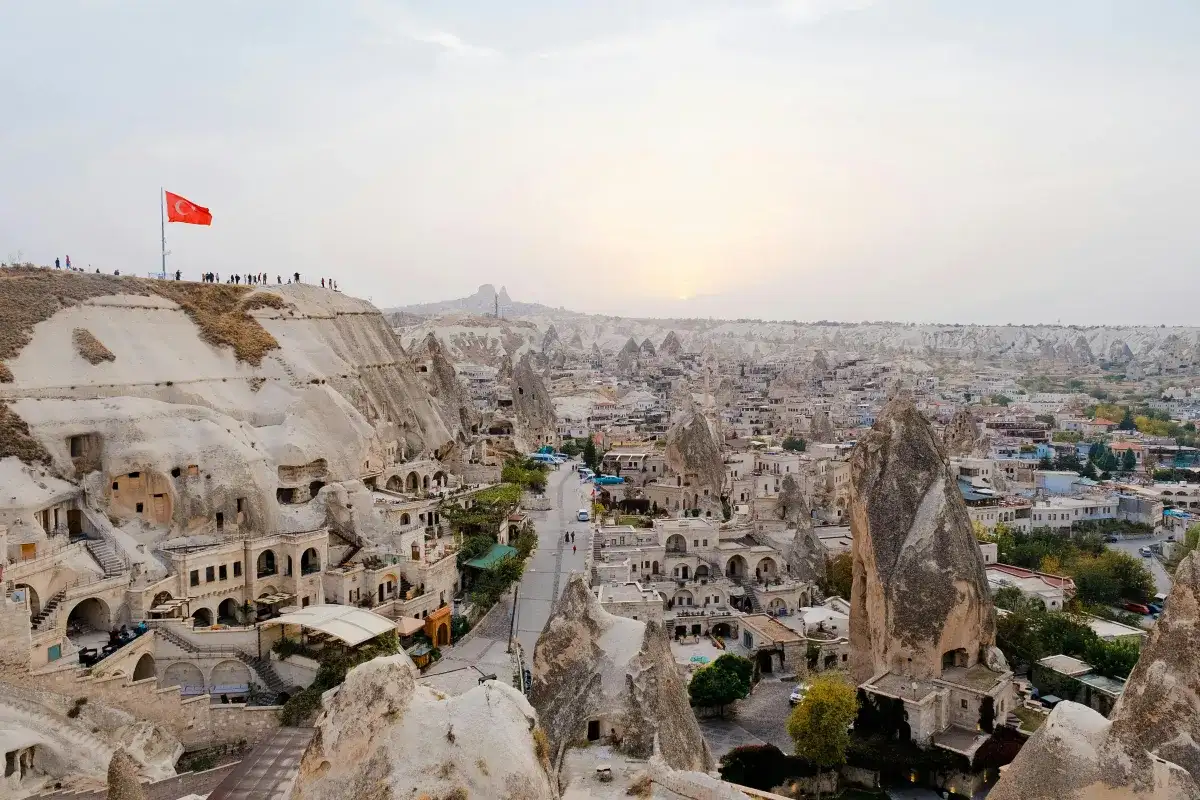
If one image could define Cappadocia, it would be the triple-headed fairy chimneys of Pasabag. Also known as Monks Valley (Rahipler Vadisi in Turkish), this extraordinary site features some of the most spectacular geological formations on Earth — towering mushroom-shaped rock pillars with multiple caps, surrounded by a landscape that looks like it belongs on another planet.
Pasabag sits between Göreme and Avanos, roughly 2 km off the main road. It's one of the most visited sites in Cappadocia for good reason: free entry, easy access, mind-blowing geology, and a fascinating history of monastic life. Whether you're visiting on the Red Tour or exploring independently, Pasabag is unmissable.
What Makes Pasabag Special
Triple-Headed Fairy Chimneys
Cappadocia is full of fairy chimneys, but Pasabag has something rare: multi-headed (multi-capped) formations. While most fairy chimneys have a single cap of harder rock sitting atop a softer tuff column, Pasabag's chimneys have developed two, three, or even four distinct caps on a single column. This geological oddity occurs because the basalt cap partially protected different sections of the column from erosion at different rates, creating a branching effect over millions of years.
The tallest formations reach approximately 15-20 meters, and the multi-headed ones are concentrated in the central area of the valley. Some look like giant mushrooms, others like alien trees, and some resemble hooded figures — which is likely why the monks were drawn here.
How Fairy Chimneys Form
The geological story of Pasabag begins roughly 60 million years ago with the eruption of Mount Erciyes and other volcanoes. The eruptions deposited layers of soft volcanic tuff (compressed ash) across the region. On top of this tuff, a layer of harder basalt rock was deposited. Over millions of years, wind, rain, and frost eroded the soft tuff — but where basalt caps remained, they protected the tuff below, creating the pillar-and-cap formations we call fairy chimneys.
At Pasabag, the basalt layer was particularly fractured, creating irregular cap patterns that led to the unique multi-headed formations. The process is ongoing — these chimneys continue to erode, and eventually (in geological time) they will all collapse.
Monastic History
Pasabag gets its alternate name, Monks Valley, from the hermit monks who carved cells and chapels into the fairy chimneys during the Byzantine period (5th-12th centuries). The isolated, otherworldly landscape was perfect for monks seeking solitude and contemplation.
The most significant monastic feature is the St. Simeon Hermitage — a multi-story dwelling carved into one of the tallest fairy chimneys. Named after St. Simeon Stylites (the famous pillar-dwelling saint), this hermitage includes:
- Ground-level chapel — A small worship space with a carved altar niche
- Upper living quarters — Accessed via carved steps (some now eroded), where the monk lived in isolation
- Ventilation holes — Cleverly carved openings that provided air circulation to the living spaces
Other monk cells are scattered throughout the valley — look for small carved doorways and windows in the chimney bases. Some are accessible to climb into (carefully), offering a glimpse into the austere monastic life.
Pasabag vs. Zelve vs. Devrent: Which Valley to Visit?
Cappadocia has several fairy chimney valleys, and visitors often wonder which to prioritize. Here's a comparison:
| Feature | Pasabag (Monks Valley) | Zelve Open Air Museum | Devrent (Imagination Valley) |
|---|---|---|---|
| Highlights | Multi-headed fairy chimneys, monk cells, St. Simeon hermitage | Cave village, churches with frescoes, tunnel complex | Animal-shaped rocks (camel, seal, dolphin), no human modification |
| Entry Fee | Free | Paid (museum ticket) | Free |
| Time Needed | 30-60 minutes | 60-90 minutes | 20-30 minutes |
| Crowd Level | Moderate-High | Low-Moderate | Moderate |
| Best For | Photography, geology, quick visit | History lovers, cave architecture | Families, imagination, quick stop |
Visiting Tips
Best Time to Visit
- Early morning (8-9 AM) — Fewest crowds, best light for photography (soft, warm tones)
- Late afternoon (4-5 PM) — Golden hour light, long shadows on the chimneys, fewer tour buses
- Avoid midday in summer — No shade, very hot, peak tour bus traffic
How Long to Spend
Most visitors spend 30-60 minutes. The site is compact — the main path loops through the chimney formations and past the monk cells in about 20 minutes. Add time for photography and climbing into accessible caves. If you're a serious photographer, you could easily spend 2 hours.
What to Wear
- Comfortable shoes — The paths are mostly flat but some areas have loose gravel and uneven rock if you explore off-trail
- Hat and sunscreen — No shade in the valley
- Layers in shoulder seasons — The valley can be windy
Facilities
- Parking — Large free parking lot
- Restrooms — Available at the entrance area
- Souvenir shops — Several small shops near the parking lot selling local crafts, pottery, and postcards
- No cafe inside — Bring water, especially in summer
Photography Paradise
Pasabag is one of the most photographed locations in Cappadocia. Tips for the best shots:
- Wide-angle — Capture the full scale of the chimneys against the sky
- Low angle — Shoot upward from the base of chimneys to emphasize their towering height
- Human scale — Include a person in the frame to show how massive the formations are
- Details — Close-up shots of the multi-cap formations and eroded textures are fascinating
- Blue sky backdrop — The cream-colored chimneys pop against a clear blue sky
Getting to Pasabag
- Red Tour — The easiest option. The Red Tour (€45) includes Pasabag along with Göreme Open Air Museum, Devrent Valley, Avanos, Uçhisar, and more.
- Taxi — From Göreme, approximately €10-15 each way. Ask the driver to wait (30-60 min visit).
- Rental car — Easy drive, well-signed, large parking lot.
- Walk — Possible from Çavuşin (3 km) if you enjoy walking along quiet roads.
Combine with Zelve
Zelve Open Air Museum is just 1 km from Pasabag — you can walk between the two in 15 minutes. While Pasabag showcases geological formations, Zelve reveals an entire cave village that was inhabited until the 1950s. It includes multiple churches with frescoes, a mosque, tunnels, and a fascinating look at how people actually lived in fairy chimneys.
For more on Cappadocia's geological wonders, read our guides on fairy chimney formations and how Cappadocia was formed.
Frequently Asked Questions
Explore Cappadocia Tours
Book directly with us — no middleman, no commission. Professional guides, transparent pricing.
Isabel — Local Tour Guide & Travel Expert
Isabel lives in Cappadocia and has been a professional tour guide in the region for over 25 years. As the founder of FELIZ TURISMO, she is known for her infectious energy and fun personality that turn every tour into an unforgettable experience. She has helped over 10,000 travelers discover the magic of Cappadocia with deep knowledge of the region's history, culture, and hidden gems. Isabel is also a devoted friend to the stray animals of Cappadocia — FELIZ TURISMO dedicates a portion of its revenue to feeding and providing healthcare for street animals in the region.
Published: March 8, 2026